TOTAL NUCLEAR WEAPON IN THE WORLD AND ITS EFFECTS FOR HUMAN LIFE AND EARTH IN WAR TIME
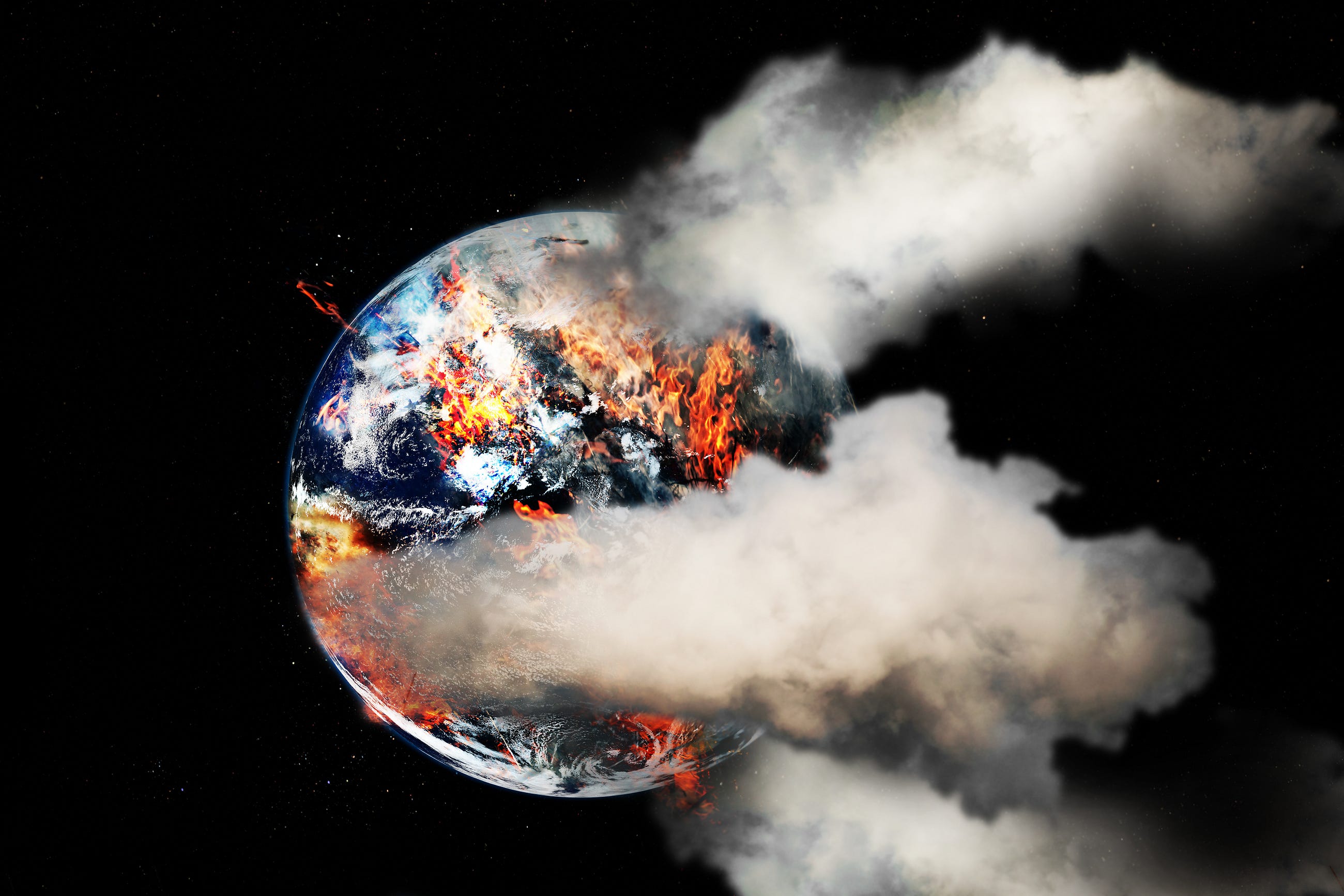

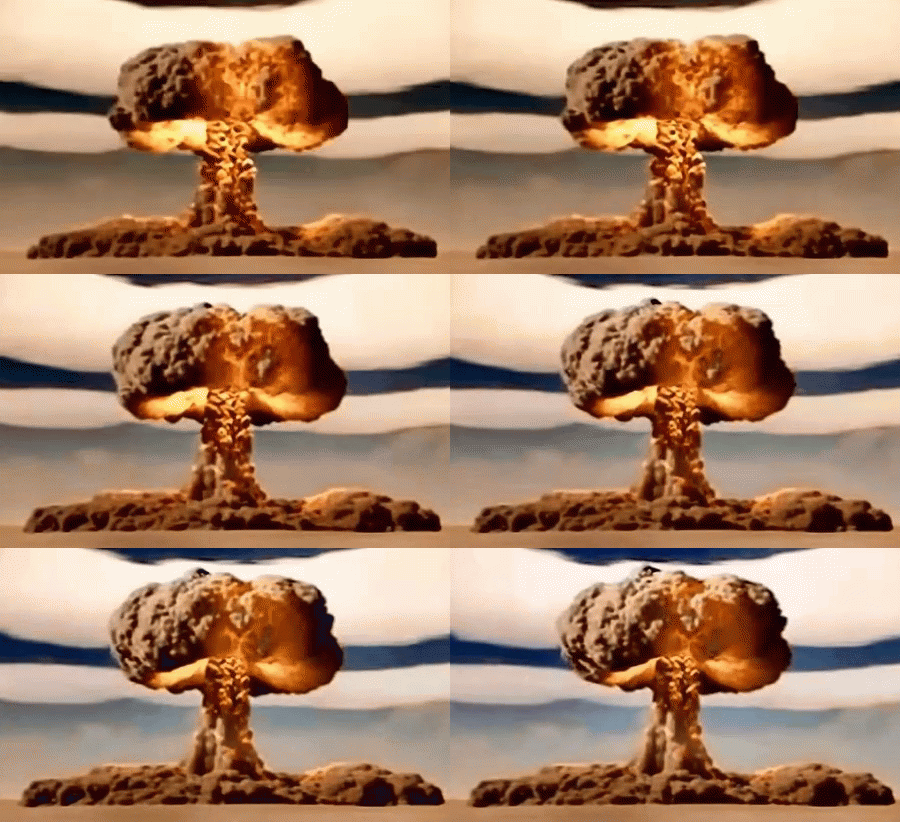






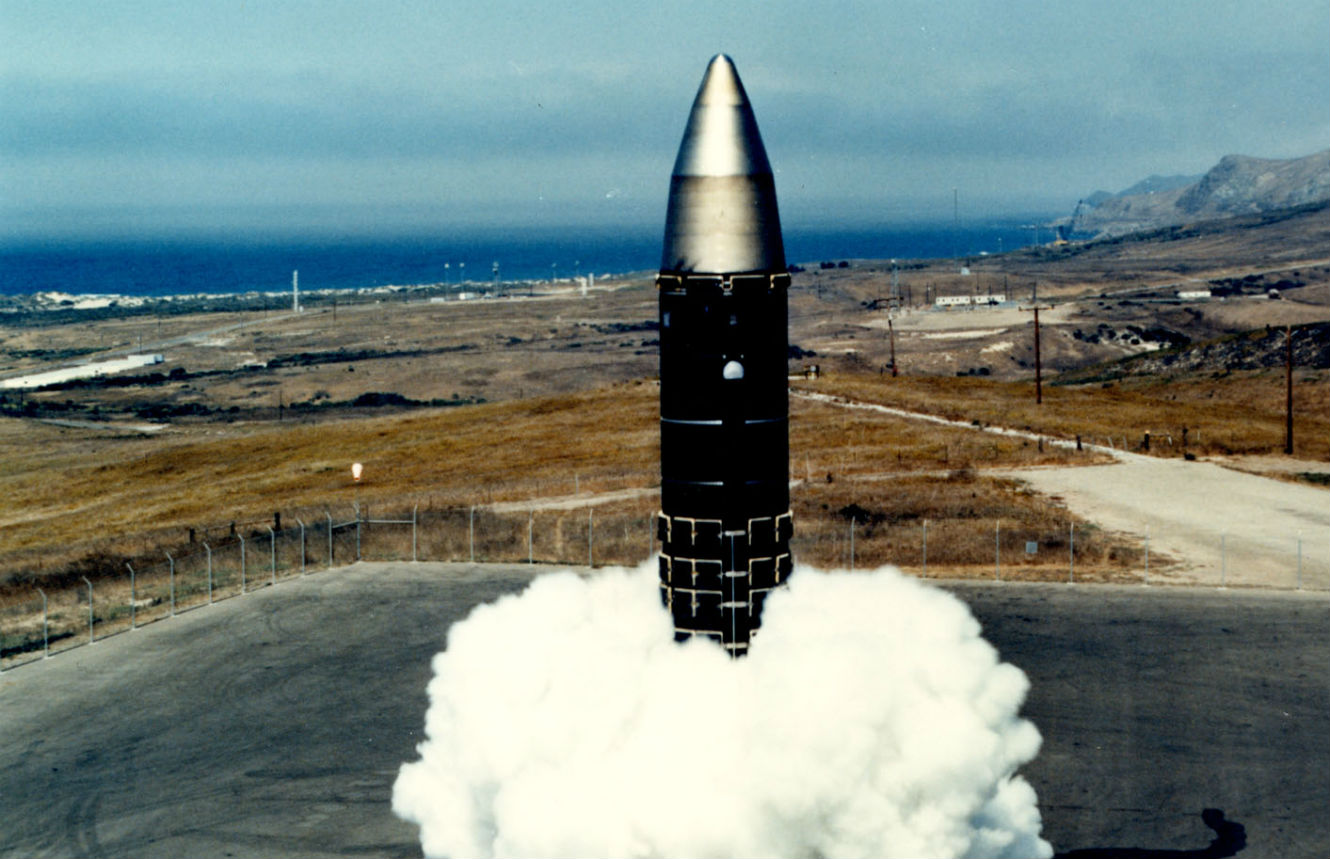
RUSSIA NUCLEAR MISSILE.


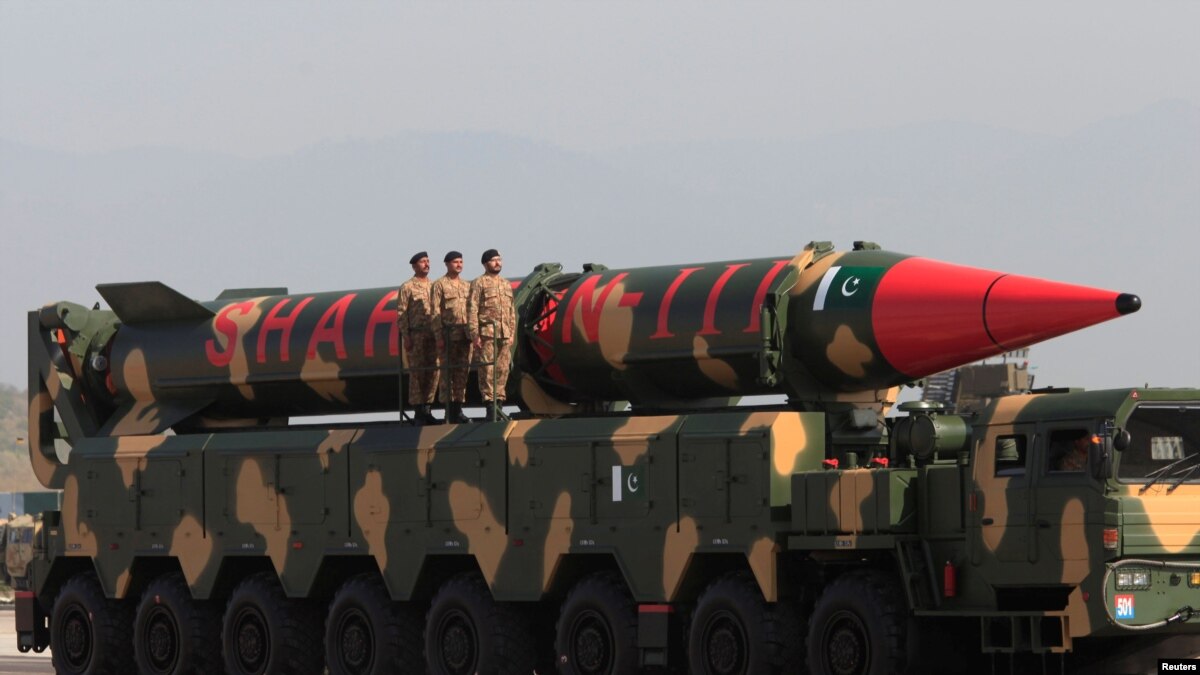
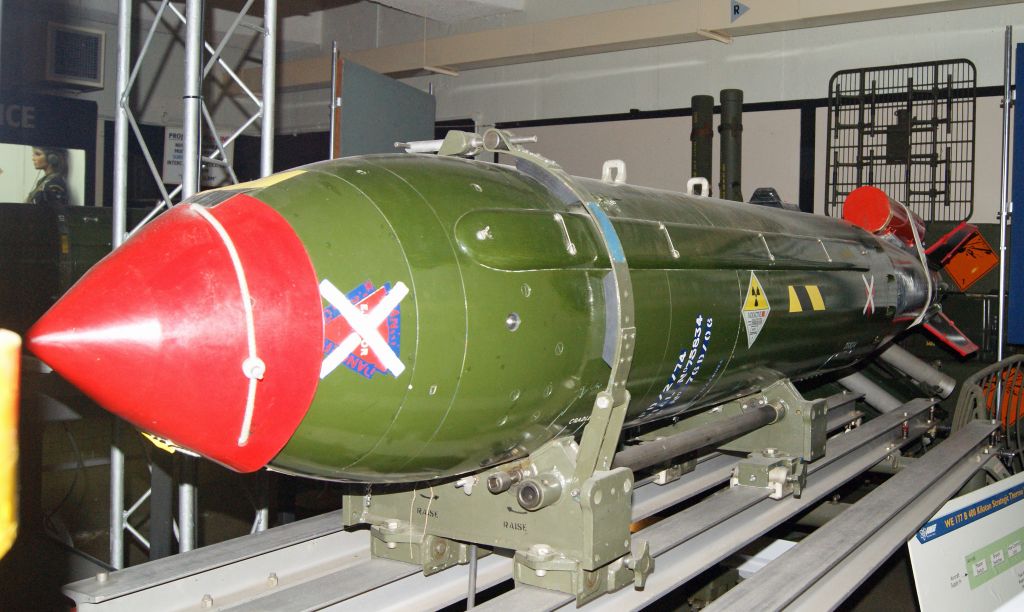


Twenty-nine years after the end of the Cold War, the world’s
combined stockpiles of nuclear weapons remain at unacceptably high levels. nine
countries together possess around 15,000 nuclear weapons. The United States and
Russia maintain roughly 1,800 of their nuclear weapons on high-alert status –
ready to be launched within minutes of a warning.
Most are many times more
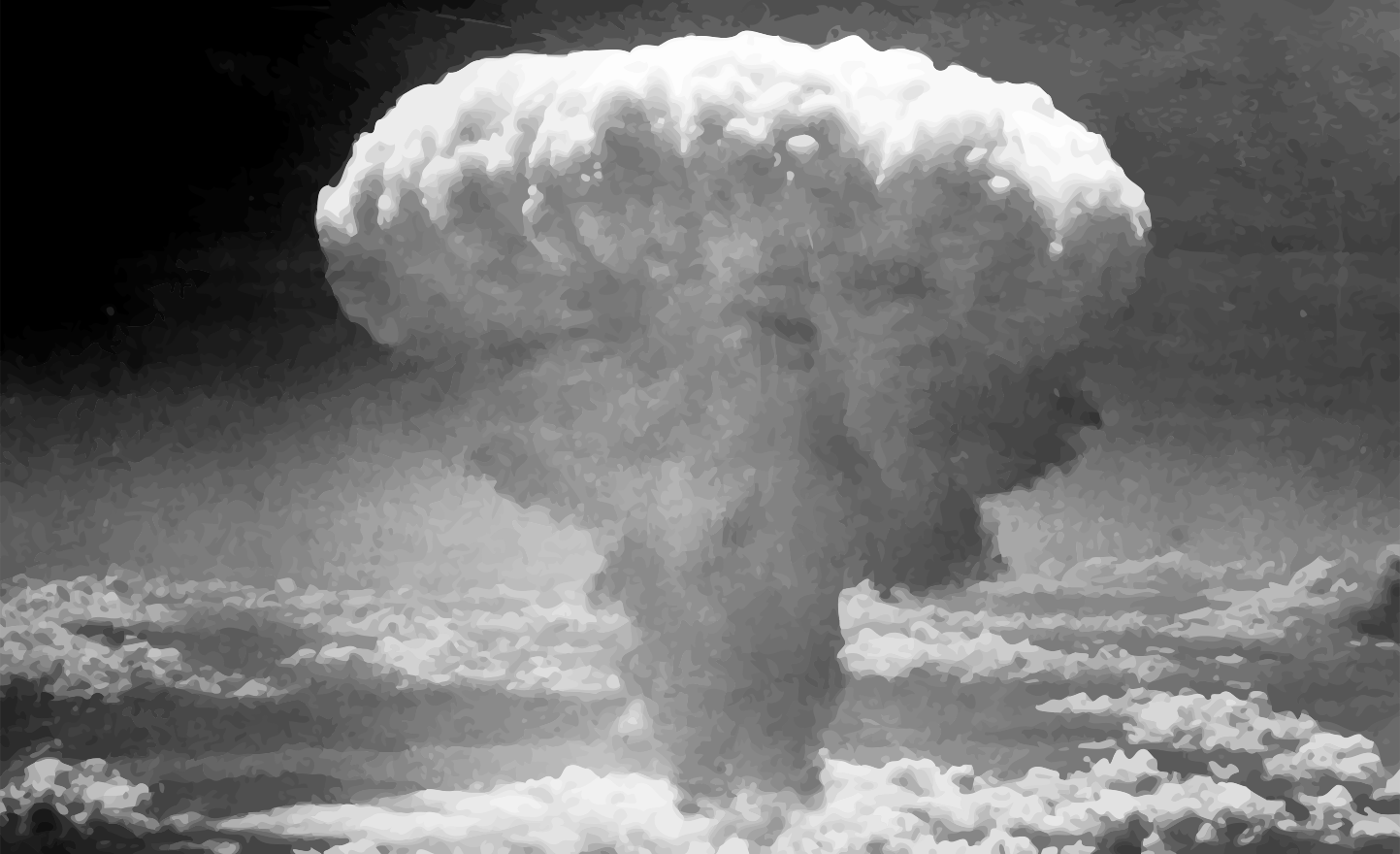
powerful than the atomic bombs dropped on Japan in 1945. A single nuclear
warhead, if detonated on a large city, could kill millions of people, with the
effects persisting for decades. Hans Kristensen and Robert Norris of the
Federation of American Scientists are the leading experts in estimating the
size of global nuclear weapons inventories. Matt Korda is a new co-author of
these reports. The table is a compilation of their estimates and analyses, with
links to their full reports. These reports are published in The Bulletin of the
Atomic Scientists' Nuclear Notebook and discussed further at the FAS Strategic
Security Blog.

The failure of the nuclear powers to disarm has heightened the
risk that other countries will acquire nuclear weapons. The only guarantee
against the spread and use of nuclear weapons is to eliminate them without
delay. Although the leaders of some nuclear-armed nations have expressed their
vision for a nuclear-weapon-free world, they have failed to develop any
detailed plans to eliminate their arsenals and are modernizing them.
As the
authors of these estimates note, the above numbers may not add up due to
rounding and uncertainty about the operational statuses and size of the total
inventories. For a full analysis of how the authors arrived at their estimates,
please view the provided links for the complete reports.
Total nuclear warheads in world
S.NO
|
COUNTRY
|
NO.OF NUCLEAR WEAPONS
|
1
|
United States
|
6,450 to 6550
warheads
|
2
|
Russia
|
6,490 to 6,850 warheads
|
3
|
United Kingdom
|
215 warheads
|
4
|
France
|
300 warheads
|
5
|
China
|
280 warheads
|
6
|
India
|
130 to 140 warheads
|
7
|
Pakistan
|
140 to 150 warheads
|
8
|
Israel
|
80 warheads
|
9
|
North Korea
|
10 to 20 warheads
|
10
|
Total warheads
|
14,215
to 14,485 nuclear warheads
|
Nunclear Missile problams in world
Five European nations host US nuclear weapons on their soil
as part of a NATO nuclear-sharing arrangement, and roughly two dozen other
nations claim to rely on US nuclear weapons for their security. Furthermore,
there are many nations with nuclear power or research reactors capable of being
diverted for weapons production. The spread of nuclear know-how has increased
the risk that more nations will develop the bomb.
Effects Nunclear Missile
The health effects of nuclear explosions are due primarily
to air blast, thermal radiation, initial nuclear radiation, and residual
nuclear radiation or fallout.
Instantaneous
The heart of a nuclear explosion reaches a temperature of
several million degrees centigrade. Over a wide area the resulting heat flash
literally vaporises all human tissue. At Hiroshima, within a radius of half a
mile, the only remains of most of the people caught in the open were their
shadows burnt into stone.

Blast. Nuclear
explosions produce air-blast effects similar to those produced by conventional
explosives. The shock wave can directly injure humans by rupturing eardrums or
lungs or by hurling people at high speed, but most casualties occur because of
collapsing structures and flying debris.
Immediate effects.
The detonation produces three major sources of death and injury: the blast, the
heat wave and instantaneous radiation. In addition, an immediate source of
destruction is the electromagnetic pulse which leads to the impairment of
electronic devices, including those needed for health services. Initially, the release
of radioactive substances and human exposure to them would play a secondary
role in terms of the health effects produced.
Near-immediate. People inside buildings or otherwise shielded will be
indirectly killed by the blast and heat effects as buildings collapse and all
inflammable materials burst into flames. The immediate death rate will be over
90%. Various individual fires will combine to produce a fire storm as all the
oxygen is consumed. As the heat rises, air is drawn in from the periphery at or
near ground level. This results in lethal, hurricane force winds as well as perpetuating
the fire as the fresh oxygen is burnt. Such fire storms have also been produced
by intense, large scale conventional bombing in cities such as Hamburg and
Tokyo.

Thermal radiation.
Unlike conventional explosions, a single nuclear explosion can generate an intense
pulse of thermal radiation that can start fires and burn skin over large areas.
In some cases, the fires ignited by the explosion can coalesce into a
firestorm, preventing the escape of survivors. Though difficult to predict
accurately, it is expected that thermal effects from a nuclear explosion would
be the cause of significant casualties.

Initial radiation.
Nuclear detonations release large amounts of neutron and gamma radiation.
Relative to other effects, initial radiation is an important cause of
casualties only for low-yield explosions (less than 10 kilotons)
Fallout. When a
nuclear detonation occurs close to the ground surface, soil mixes with the
highly radioactive fission products from the weapon. The debris is carried by
the wind and falls back to Earth over a period of minutes to hours.
Intermediate and
long-term effects. These effects would range from after-effects of the
injuries sustained from the explosion to long-term effects of radiation
exposure and health problems caused by the disruption and destruction of health
services. Those who survive the acute effects of nuclear explosion will still
be confronted by protracted non-healing wounds, suppurating extensive burns,
skin infestations, gastrointestinal infections and psychic trauma.
Short Term
Survivors will be affected within a matter of days by
radioactive fall-out. The extent of the fall-out will vary according to whether
the nuclear bomb detonates in the air (as at Hiroshima) or upon impact on the
ground. While the former will entail more blast impact, the latter will throw
up much larger quantities of radioactive debris into the atmosphere. The area
covered by the fall-out is determined by wind speed and direction. The heavier
particles of radioactive material will fall in the immediate or close vicinity.
Finer particles will be blown over longer distances before they descend. Very
fine particles may be blown even further before they combine with water vapour
and fall as radioactive rain. In the aftermath of the Chernobyl nuclear power
explosion and fire in the Ukraine in 1986, radioactive rain fell over the next
few days in a wide arc across Northern Europe, from Scandinavia to Scotland,
Cumbria and Wales, a distance of over 1,700 miles from Chernobyl. The effects
of exposure to high levels of radioactive fall-out include hair loss, bleeding
from the mouth and gums, internal bleeding and hemorrhagic diarrhoea,
gangrenous ulcers, vomiting, fever, delirium and terminal coma. There is no effective
treatment and death follows in a matter of days.
Long Term
Radiation-induced cancers will affect many, often over
twenty years later. Certain cancers such as thyroid cancer in children are
particularly associated with exposure to radiation. The children of those
exposed to radiation are statistically more likely to be born with
abnormalities and suffer from leukaemia. Because of the long period between
exposure and the onset of cancer, it is difficult to attribute a particular
cancer to a particular cause. The correlation is described as epidemiological,
rather as the connection between smoking and lung cancer was statistically
established before the medical links had been uncovered.
Accurate estimates of long term fatalities at Hiroshima and
Nagasaki are not possible given the large scale destruction of records, population
movements and a general censorship on nuclear effects by the US occupation
regime. However the generally used estimates of casualties are 140,000 in
Hiroshima and 75,000 in Nagasaki.
Who invented it.
When Enrico Fermi and colleagues studied the results of
bombarding uranium with neutrons in 1934, people started to realize that
nuclear energy could be used to create a bomb any fast energy release can be
turned into a bomb. It took the Second World War to push scientists into
actively pursuing the idea into reality. The Germans, under the rule of Hitler
made several initial investigations into the field and were on the right path
but never seemed to reach the ability to create a bomb. The allies knew about
the Germans' efforts, and actively sabotaged and undermined them. This also
prompted the United States of America, together with Britain and Canada and
deliberately without the then Soviet Union ally, to create the Manhattan
Project, under the leadership of Robert Oppenheimer, to specifically design and
build the first nuclear bomb.
How its works ?
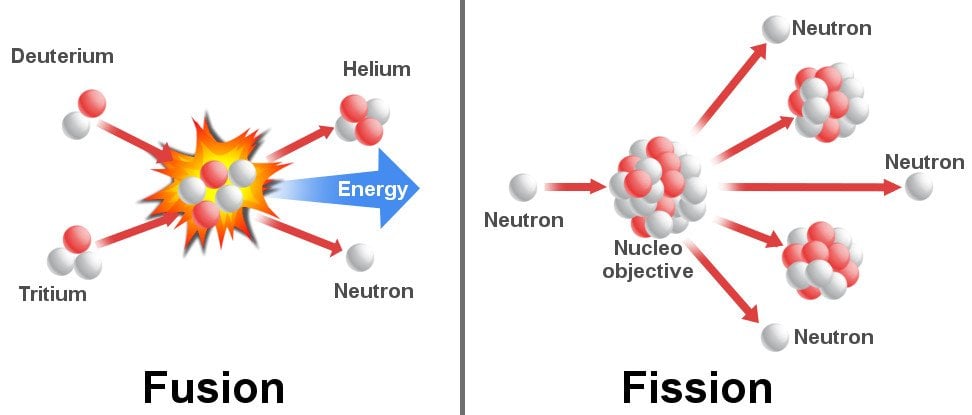
There are two ways that nuclear energy can be released from
an atom.
Nuclear fission.
the nucleus of an
atom is split into two smaller fragments by a neutron. This method usually
involves isotopes of uranium (uranium-235, uranium-233) or plutonium
(plutonium-239).
Nuclear fusion.
two smaller atoms are brought together, usually hydrogen or
hydrogen isotopes (deuterium, tritium), to form a larger one (helium isotopes);
this is how the sun produces energy.

Nuclear fission produces the atomic bomb, a weapon of mass
destruction that uses power released by the splitting of atomic nuclei. When a
single free neutron strikes the nucleus of an atom of radioactive material like
uranium or plutonium, it knocks two or three more neutrons free. Energy is
released when those neutrons split off from the nucleus, and the newly released
neutrons strike other uranium or plutonium nuclei, splitting them in the same
way, releasing more energy and more neutrons. This chain reaction spreads
almost instantaneously.
Effect of human.
The medical effects of the atomic bomb on Hiroshima upon
humans can be put into the four categories below, with the effects of larger
thermonuclear weapons producing blast and thermal effects so large that there
would be a negligible number of survivors close enough to the center of the
blast who would experience prompt/acute radiation effects, which were observed
after the 16 kiloton yield Hiroshima bomb, due to its relatively low yield.

Initial stage.
the first 1 to 9 weeks, in which are the greatest number of
deaths, with 90% due to thermal injury and/or blast effects and 10% due to
super-lethal radiation exposure.

Intermediate stage from
10 to 12 weeks.
The deaths in this
period are from ionizing radiation in the median lethal range - LD50.
Late period to lasting
from 13 to 20 weeks.
This period has some improvement in survivors' condition.
Delayed period from
20+ weeks.
Characterized by
numerous complications, mostly related to healing of thermal and mechanical
injuries, and if the individual was exposed to a few hundred to a thousand
Millisieverts of radiation, it is coupled with infertility, sub-fertility and
blood disorders.
Furthermore, ionizing radiation above a dose of around 50-100
Millisievert exposure has been shown to statistically begin increasing a
person's chance of dying of cancer sometime in their lifetime over the normal
unexposed rate of c. 25%, in the long term, a heightened rate of cancer,
proportional to the dose received,
would begin to be observed after c. 5+
years, with lesser problems such as eye cataracts and other more minor effects
in other organs and tissue also being observed over the long term.
Ofter nuclear war earth conditon and human life is ?
The effects of a nuclear explosion on its immediate vicinity
are typically much more destructive and multifaceted than those caused by
conventional explosives. In most cases, the energy released from a nuclear
weapon detonated within the troposphere can be approximately divided into four
basic categories.
the blast itself: 40 to 50% of total energy
thermal radiation: 30 to 50% of total energy
ionizing radiation: 5% of total energy (more in a neutron
bomb)
residual radiation: 5 to 10% of total energy with the mass
of the explosion
Nuclear missile in world.
USA.
The United States was the first country to manufacture
nuclear weapons and is the only country to have used them in combat, with the separate
bombings of Hiroshima and Nagasaki in World War II. Before and during the Cold
War, it conducted over a thousand nuclear tests and tested many long-range
nuclear weapons delivery systems
RUSSIA NUCLEAR MISSILE.
United Kingdom nuclear missile.
The United Kingdom was the third country (after America and
the Soviet Union) to develop and test nuclear weapons and is one of the five
nuclear-weapon states under the Treaty on the Non-Proliferation of Nuclear
Weapons. The possession of nuclear weapons is an important component of
Britain's national identity.
France nuclear missile
France is one of the five "Nuclear Weapons States"
under the Treaty on the Non-Proliferation of Nuclear Weapons, but is not known
to possess or develop any chemical or biological weapons. France was the fourth
country to test an independently developed nuclear weapon in 1960, under the
government of Charles de Gaulle. The French military is currently thought to
retain a weapons stockpile of around 300 operational (deployed) nuclear
warheads, making it the third-largest in the world,
China nuclear missile.
India nuclear missile.
Pakistan nuclear missile.
Israel nuclear missile.
North Korea nuclear missile.
Example
Hiroshima, Nagasaki


Related video links
Testing nuclear weapons


No comments:
Post a Comment